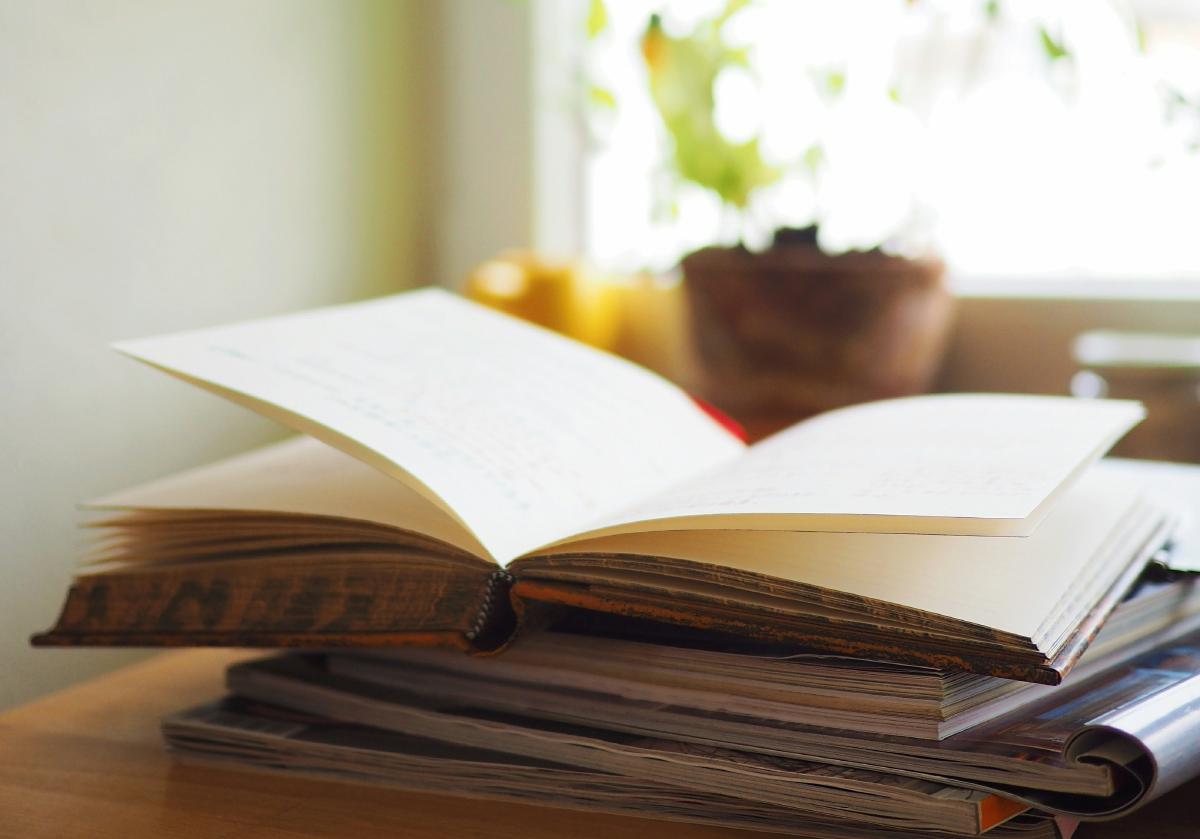
it’s been a while since my last posts about book reviews. And it’s true that I haven’t been reading much lately. It’s a shame that I name the title ‘book review’ since they’re mostly fiction novels, but those are the only kind of books that I can read cover to cover and then proudly mark as ‘Read’ it in Goodreads
A Clockwork Orange (Anthony Burgess) #

this was not an easy book to read, despite being quite short. But it became much easier when I found an online Nadsat Dictionary . Yes, if you’re thinking about reading this book, the dictionary will save you from dropping after 5 pages. This book is like a thought experiment on a hot philosophy topic: ‘Free Will’ or ‘Good & Evil’. If my free will leads me to harm others and I do it, and the goverment instead of putting me in jail, uses some technology to force my mind (my will) not to do the bad thing again, am I still a human, or just kind a cyborg?
How to Live: 27 conflicting answers and one weird conclusion (Derek Sivers) #

I don’t remember how I stumbled upon this one. It’s a self-help book without all the bullshit chit chat, fluff and filler. It goes straight to the point, with each sentencens on its own line, like a poem. Some tips that I find useful:
- Do nothing
- Fill your sense
- Master Something
- Do what every you want now
- Balance Everything
However, this book, like any other self-help books, just a source for motivation and nothing else. I don’t expect much anyway.
btw, Derek is the creator of the /now trend in indie blogger community, where you create a page and update what you’re currently working on recently. But I don’t do that here.
Sans famille (Hector Malot) (Không gia đình) #

this classic book is about a boy who was sold and traveled across France to make a living. It’s the kind of the book you’d buy for your child if they’re in primary or secondary school. pretty good
“I was not now alone in the world, and I had an object in life, to be useful and give pleasure to those I loved.”
Hard-Boiled Wonderland and the End of the World #

I love the title of this book. And the plot? classic Haruki Murakami. There’re 2 parallel but related universes with different storylines (just like in 1Q84). I think the reason I enjoy reading Murakami is because the narrative is usually from the perspective of a regular guy navigating his strange world, which I can related to at some point somehow. This book? a divorced man who, of course, loves Jazz and cat.
“Nobody choose to evolve. It’s like floods and avalanches and earthquakes. You never know what’s happening until they hit, then it’s too late.”
I wonder if the Murakami’s idea of humans can do data processing and encryption inside our brains motivated Elon Musk to build Neuralink? but it’s mind-blowing that we’re on the way to do that.
What’s Our Problems? (Tim Urban) (Dropped) #

I should mention this one even though I dropped it about a third way through. This is quite large and well written book. Tim Urban spends a lot of time and text just to build up the thinking system to explain politics and social movements (esp. in the US). I dropped because I got bored, but I might go back to it later if I need a reference (at least I told myself that)
The Hunger Games (Suzanne Collins) #

I finished this off after 2 days of Tet holiday. It’s young adult fiction and I wanted to read it when I was into young adult. But now, it feels a bit so predictable with somewhat cheap romance plot. Regardless, it’s a decent book and I was enjoying reading it, especially some survival tips mentioned throughout. Note: I probably won’t read its sequels.
my shelf of shame. what should I read next?

happy Tết holiday, happy reading
jeremie